Martvili Monastery (Chkondidi)
Monastery on a hill above Martvili: old cathedral, frescoes and the Dadiani tombs
Martvili Monastery, also known as Chkondidi, is one of the most significant religious and historical sites in Georgia. It stands on the highest hill above the small town of Martvili in Samegrelo, 10 minutes' drive from Martvili Canyon, and is usually visited on the same day as the canyon: the monastery itself takes about 45 minutes. It is a working monastery, so come in covered clothing; official sources do not publish an entry fee or opening hours, so check on site.
How to Get to Martvili Monastery
The monastery is in the town of Martvili itself, on the hill above it. From Batumi it is about 150 km and 2.5-3 hours each way, from Kutaisi about an hour by car. There is no direct transport from Batumi: you go via Kutaisi or Senaki with changes to local minibuses, so on your own it is easier to combine the monastery with a night in Kutaisi - see the guide to where to stay in Kutaisi.
With a tour from Batumi
Martvili Monastery is part of our Martvili Canyon, Monastery, Hot Springs and Ureki Magnetic Sands day trip: the canyon with a boat ride, the monastery, a bathe in the hot spring and Ureki beach in one day. Our guides share the stories and facts behind the monastery and show you the most picturesque corners of the site and its surroundings. Other trips to the area are collected on the page of trips to Martvili Canyon from Batumi.
We travel in air-conditioned vehicles with experienced drivers: our fleet includes sedans, minivans and minibuses for groups of any size.
By car with a driver
For your own group it is convenient to book a car with a driver on GoTrip.ge for the Batumi - Martvili Canyon - Batumi route and ask for a stop at the monastery on the way: the price per car is fixed at booking.
History and Architecture of Martvili Monastery
Martvili Monastery was founded in the 7th century on the site of an ancient pagan sanctuary. The name Chkondidi means "big oak": according to tradition, St. Andrew the First-Called cut down the pagans' sacred oak here, and the altar of the church was placed on its roots. According to legend, it was here that he erected the first cross, preaching Christianity in Western Georgia. From the 10th century the monastery was a centre of learning and spiritual life in the region.
The monastery has been repeatedly destroyed and restored, but it has kept its architectural appearance. The main church of the monastery, dedicated to the Dormition of the Holy Mother of God, was built in the 10th century and is a striking example of Georgian church architecture. In Soviet times the monastery did not function; the monks returned in 1998.
Interior and decoration of the church
Fragments of 14th-, 16th- and 17th-century frescoes with portraits of local princes survive in the cathedral. They depict scenes from the Holy Scriptures and the lives of saints and are a valuable monument of Georgian culture and art.
In the 19th century the Dadiani, rulers of Megrelia, were buried here: inside the cathedral are the tombs of the last prince, Niko Dadiani, and his parents. Particularly noteworthy is the iconostasis, decorated with wood carvings and gold. Here are ancient icons, many of which are considered miraculous. In the central part of the church is the tomb of St. Gregory, one of the first bishops of Georgia, who according to tradition founded this monastery and did much to spread Christianity in the region.
Shrines and relics
Martvili Monastery is famous for its shrines. It is believed to keep a part of the life-giving cross as well as relics of saints; pilgrims come here to pray and receive a blessing.
One of the main shrines is the icon of the Mother of God of Martvili. According to legend, this icon has repeatedly saved the monastery and its inhabitants from disasters and enemies. Believers come here to pray before the icon and ask for help and protection.
The Surroundings of the Monastery
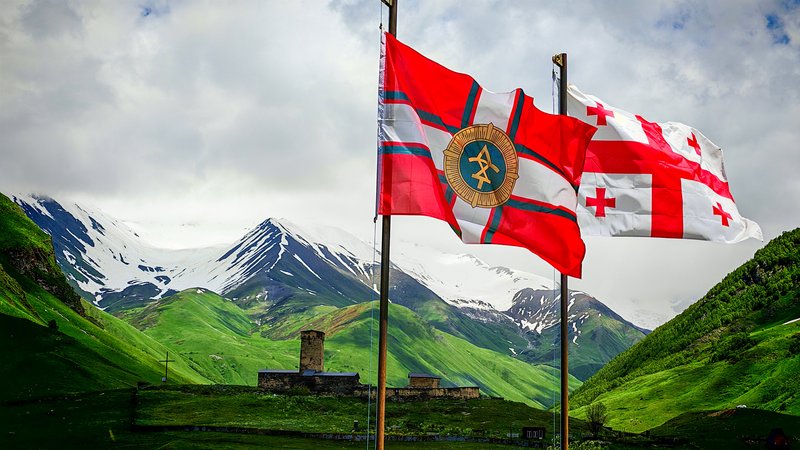
Martvili Monastery stands in a picturesque area surrounded by forests and green hills, with a view over the valley. You can walk around the grounds, enjoy the quiet and then visit nearby attractions.
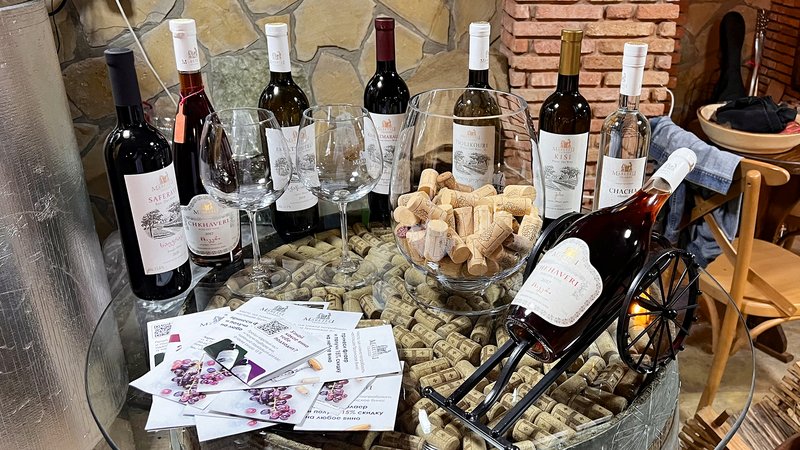
Not far from the monastery are the ruins of an ancient castle, which protected the monastery in the Middle Ages. You can also visit local wineries and taste Georgian wines. Half an hour away is the Nokalakevi hot spring with sulfur water by the river, and 45 km from the canyon is Prometheus Cave.
Frequently asked questions
Why is Martvili Monastery called Chkondidi?
Chkondidi means "big oak". According to tradition, St. Andrew cut down the pagans' sacred oak on the hill, and the altar of the church was placed on its roots.
How long does a visit to Martvili Monastery take?
About 45 minutes is enough for the monastery itself: the cathedral, the frescoes, the Dadiani tombs and the view over the valley. That is why it is almost always combined with Martvili Canyon, 10 minutes' drive away.
What should I wear to visit the monastery?
It is a working monastery, so wear covered clothing: no bare shoulders or short shorts. Official sources do not publish an entry fee or opening hours, so check on site.
Can I combine the monastery and Martvili Canyon in one day?
Yes, it is the usual pairing: the monastery is in Martvili itself and the canyon is 10 minutes' drive away. From Batumi the easiest way to see both is a day trip that also includes the hot spring and Ureki beach.
Who is buried at Martvili Monastery?
In the 19th century the Dadiani princes, rulers of Megrelia, were buried in the cathedral: the tombs of the last prince, Niko Dadiani, and his parents survive inside.
Written and checked by the Travel Batumi team